


Asset managers face rapid transformation, and their relationships with servicing partners are shifting. In our “Beyond the Trade” series we ask our ESG experts what truly matters to managers, how asset managers’ business is evolving, and how ESG is driving change. With sustainability at the core, our dedicated experts help fund managers navigate ESG regulations and embed responsible practices, ensuring they stay ahead of every regulatory and market shift.
Beyond the Trade: introducing our ESG experts in the UK and Spain
In Episode 4 we explore how UK and Spanish asset managers are moving beyond the 2025 ESG backlash, recalibrating their strategies toward disciplined, outcome-focused sustainability. Our experts discuss market maturity, data challenges, regulatory fragmentation, and the demand for innovative, ESG-embedded partnerships.
What is the ESG reality for asset manager in 2026? What about similarities and differences between UK and Spain? What are the asset managers’ journeys to sustainability?
We speak to Flora Belladonna, Senior Relationship Director, Securities Services in the UK and Raquel Lopez, Head of Client Services, Securities Services in Spain, to hear their insights on Asset managers clients approaches and challenges in both markets.
Alison Gurd: hello and welcome. I am Alison Gurd, Global Head of client experience and servicing at BNP Paribas’ Securities Services business.
You’re listening to Beyond the Trade, the podcast where we go behind the scenes to chat with our asset servicing experts.
Today, we are diving into a topic that is always evolving: sustainability.
Joining me online today are two of our leading experts:
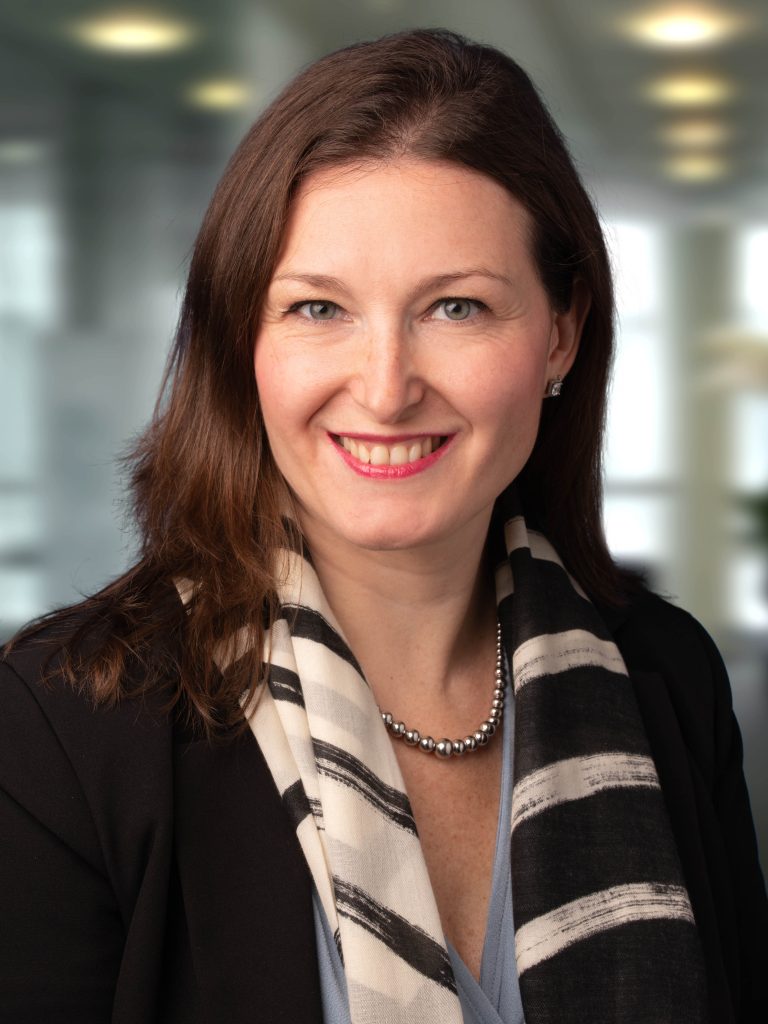
Flora Belladonna, Director and Point of Contact for Sustainable Finance Client Engagement in the UK and Middle-East.
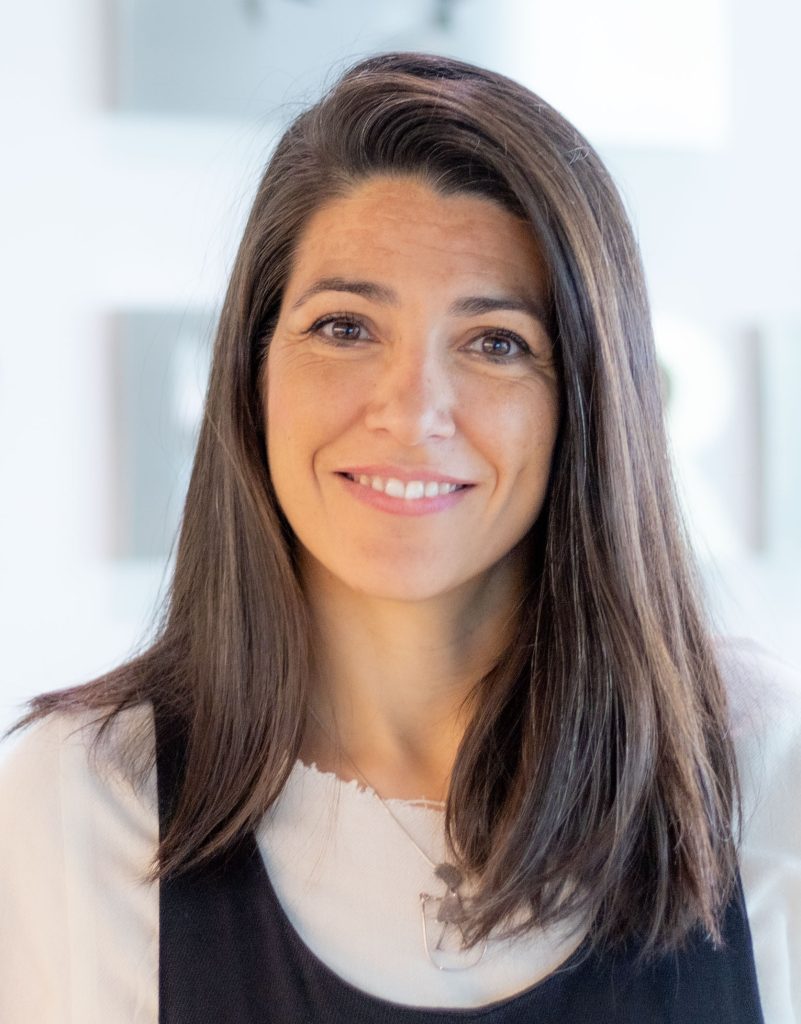
Raquel Lopez Head of Client Service teams and serves as Sustainability point of contact in Spain.
Welcome to you both!
Flora, how did you first become involved in ESG for Securities Services?
Flora Belladonna: my interest in ESG actually started with my university dissertation where I focused on the level of adoption across various jurisdictions in EMEA and North America of SA8000, which is a global ethical standard for the protection of workers’ rights and improvement of workplace conditions.
What’s been important for me over the years was the opportunity to translate this personal and academic interest into practical, industry-relevant action.
In 2023, I took on a leadership role in the Sustainability Working Group at ISSA (the International Securities Services Association) where I contributed to creating awareness and shaping the dialogue on ESG within the securities services industry.
Sustainability is a core driver of industry transformation, influencing everything from risk management to client engagement and long-term growth.
Alison: Raquel, you’re the Head of Client Service Managers in Spain. How did your sustainability journey begin?
Raquel: for me, it’s very personal. I have always felt this immense privilege living on a planet with such incredible biodiversity, and honestly, it’s painful to think about what we could lose to the climate crisis.
But the real “wake-up call” professionally was taking the Business Positive Impact course at Cambridge.
That really pushed me to become an influential voice here at the bank. I have been the Sustainability Point of contact for Spain since 2018. Like Flora said, sustainability has to be embedded in the entire value chain—not just added on at the end.
[To know more : Our commitments and actions for clients and society | BNP Paribas ; Sustainable finance: follow our progress in figures | BNP Paribas]
Beyond the ESG backlash: how the asset managers in the UK and Spain are re-calibrating ESG in 2026
Alison: let’s talk about trends in your respective markets. In 2025, we talked a lot of “ESG backlash”. What’s the actual reality on the ground?
Flora: I think the term “backlash” is a bit misleading.
In the UK, what we are actually seeing is more a recalibration.
Sustainability hasn’t dropped off the agenda; it’s just become more disciplined, more scrutinised and more outcome focused.
For sure, the current geopolitical landscape has made ESG more complex to navigate, but it’s still a top priority for asset managers. They’re being more selective and rigorous now than in the past. For me, this is a sign that the market is maturing.
Raquel: in Spain, we’ve noticed that investment entities are still committed to their sustainability goals, however they have become a bit less vocal about it. That actually came up in our latest ESG survey.
Another trend we are seeing is a huge spike in interest within the private capital space. Some institutional investors have even shifted toward European vehicles because sustainability is such a key driver for them.
Comparing ESG journeys in the UK and Spain
Alison: so, comparing the two—the UK versus Spain—I imagine there are similarities, but are there some key differences in terms of where the markets are in their journey?
Raquel: in Spain, large asset managers, asset owners and private capital firms are quite mature.
They often have a very strong focus on the “S” in ESG—the social aspects—and renewable energy projects.
Smaller asset managers are getting involved too, but because ESG integration is a bit complex, they’re still in the earlier stages.
Flora: there are some common foundations, but I would say the “flavor” is different. The UK market is relatively mature. Our clients are focused on the integration of climate risk considerations, the quality of reporting and the energy transition. They are looking to implement data-driven strategies and regulatory compliance remains a key priority as well. Basically, the UK has moved to “executing” ESG in their day-to-day operations.
The data‑heavy questions driving UK and Spanish asset managers
Alison: Flora and Raquel, are your clients facing the same hurdles? What are the questions you’re hearing most often?
Flora: in the UK, the big thing is evidence.
UK asset managers and asset owners want to prove real impact beyond compliance, not just tick a compliance box.
That means they need robust data and methodologies.
We are also seeing a push for better ESG data in private markets, where things are not as standardised. And of course, the regulatory landscape—trying to juggle CSRD and SFDR across different borders – is complex and resource-intensive.
Raquel: it’s the same in Spain. There’s also regulatory pressure for our clients, and they are looking for simplification, which is why there’s so much hope for the Omnibus law.
But the biggest hurdle is still data. Our clients need available, consistent and reliable data. Many investors lack granular ESG data to report accurately. And also there is still cost pressure.
Some see sustainability as an expense rather than an investment.
Beyond service: delivering innovative, ESG-embedded partnership
Alison: so, that’s the challenge. What do your clients expect from their providers? How do we go “beyond” just providing a service?
Raquel: I think it comes down to two things.
First, innovation: our clients want a suite of sustainable products that actually evolve.
Second, they want a partner they can trust. They want to see that our own internal processes embed ESG, because that proves we share their values and that our operating model is resilient. In this regard, every step of our own business considers ESG criteria, and we have embedded this into our core model, solutions and processes.
[To know more : Securities Services Sustainability – Securities Services ; From disclosure to decision, the evolving data imperative for sustainability – Securities Services]
Flora: that’s the same in the UK. Clients expect more than service delivery. They are looking for true partnership. That means not only shared values but also deep expertise and a strong understanding of their specific needs.
We call our approach “Going Beyond”. We don’t just provide a tool or a service, we offer our clients a full spectrum of support, from regulatory insights and continuous education to equipping our teams with the knowledge and expertise needed to deliver informed, value-added support.
How the ISSA’s Sustainability Working Group shapes the Securities Services industry
Alison: sustainability is such a key topic for the whole industry. Can you let us know more about industry’s initiatives? Flora, you mentioned earlier your work with the ISSA Sustainability Working Group.
Flora: I have represented BNP Paribas at ISSA for a few years now. As part of the Sustainability Working Group, we’ve produced a series of educational deliverables for the whole industry. We’ve done research on sustainability trends and published a white paper focusing on “The Impacts, Challenges and Opportunities of Sustainability” in our industry. For us at BNP Paribas, it’s a fantastic way to be the “voice of the client”!
BNP Paribas’ commitment to ESG
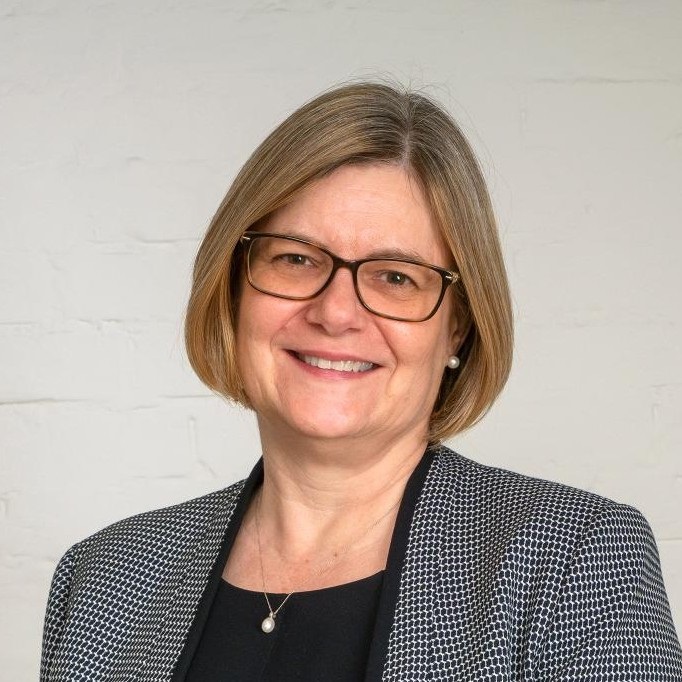
Alison Gurd
Global Head of client experience and servicing
Thank you both for your insights about your markets and clients in Spain and the UK. To wrap things up, sustainability in Securities Services isn’t just about compliance; it’s about leading the change. One last question to you both. If there was one thing to change, what would it be?
Raquel: if I may, I have been inspired by Jean-Laurent Bonnafé’s quote: “we cannot win in a world that loses”, especially as we position ourselves as the bank of a changing world. That’s said: … just keep the education on everyone’s agenda. Don’t let the momentum slip.
Flora: I couldn’t agree more with Raquel!
Alison: that’s all for this episode of “Beyond the Trade”. That was a great dive into how ESG is shaping the UK and Spanish markets – and why it matters to every client we serve. Big thanks to Flora and Raquel. Let’s keep the momentum going and stay tuned for more episodes coming soon!


